Coastal Boat Coverage
Boat Insurance in Fort Lauderdale, FL
Get local boat coverage guidance today.
What Owners Ask First
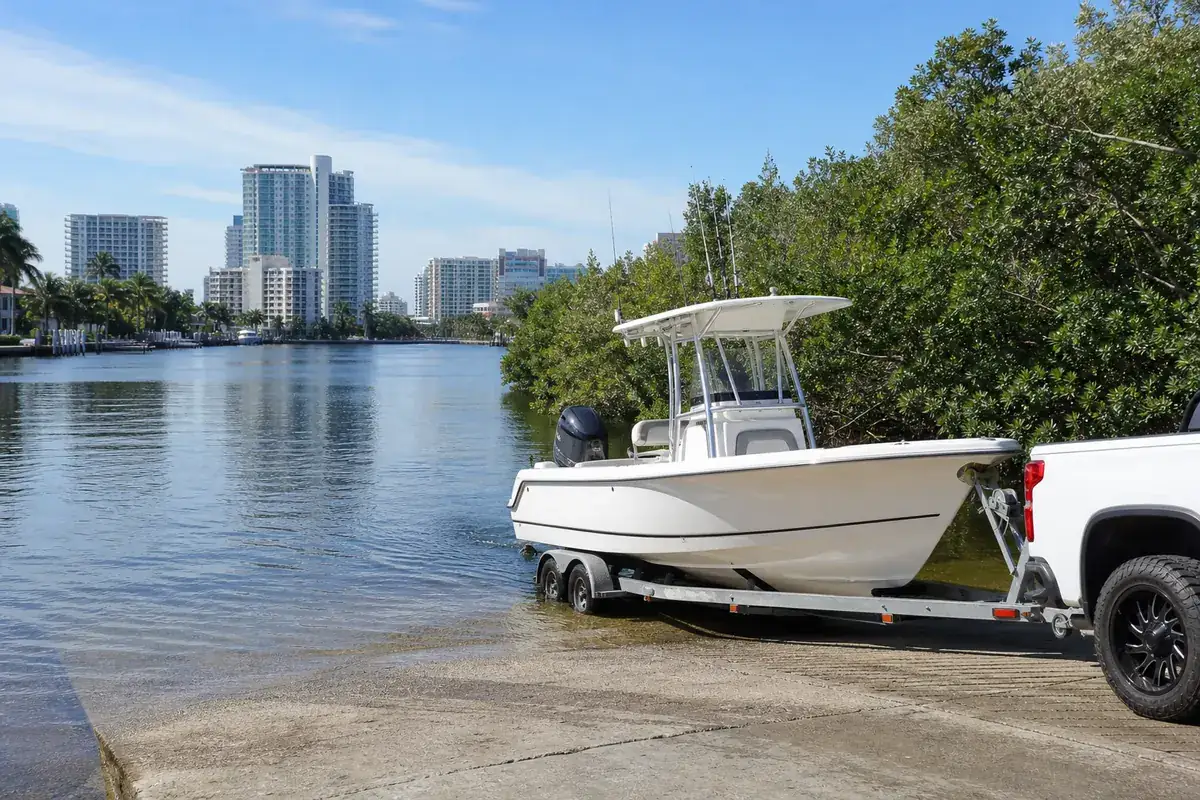
US 1, A1A and the roads near Port Everglades can back up fast when you are towing a boat. If you are getting ready for a launch, moving a trailer before a storm week, or closing on a financed boat, the first question is usually simple. What kind of boat insurance do you actually need in Fort Lauderdale. In Florida, the state generally does not require boat insurance, but marinas and lenders often do. Many owners also want coverage for storm damage, theft, trailer issues and damage they may cause to other people or property on the water.
Around Fort Lauderdale, boat use is part of normal life. That means different risks than a car parked in a driveway. A center console may need different limits than a sailboat kept at a marina. A personal watercraft may need its own setup. Some policies can include liability, damage to the boat, uninsured boater protection, towing and trailer coverage. The right fit often depends on where you keep the boat, how far you run it, whether there is a loan, and what your named-storm plan looks like.
Boat Insurance Across Broward County and Nearby
- Fort Lauderdale, FL
- Hollywood, FL
- Pompano Beach, FL
- Plantation, FL
- Davie, FL
- Sunrise, FL
- Lauderhill, FL
- Oakland Park, FL
- Wilton Manors, FL
- Lauderdale-by-the-Sea, FL
- Dania Beach, FL
- Tamarac, FL
- Coconut Creek, FL
- Deerfield Beach, FL
- Weston, FL
- Pembroke Pines, FL
- Cooper City, FL
- Lauderdale Lakes, FL
- Margate, FL
- Hallandale Beach, FL
- Lighthouse Point, FL
What Boat Insurance Covers
Boat insurance can be built around the way you use and store your boat. Some owners need lender or marina paperwork first. Others are more focused on storm season, towing, or how a hull claim may be valued after a loss. Here are the main areas we review with Fort Lauderdale owners.
Liability Coverage
Liability coverage may help if you are found responsible for injury or property damage involving your boat. That can matter around crowded ramps, marina slips and busy channels near the coast. Limits can vary, and the right amount often depends on the size of the boat, how you use it and any contract terms from a marina or lender. If you carry guests often, this part of the policy usually deserves close attention.
Hull Coverage
Hull coverage generally applies to damage to your own boat, subject to the policy terms. One of the first choices is how the boat may be valued after a covered loss. Some policies use agreed value. Others use actual cash value. That difference can affect claim results, especially as a boat ages. We help you compare those approaches in plain language so you know what you are looking at before you choose.
Uninsured Boater Protection
Uninsured boater coverage is optional, and many owners ask about it because not every operator on the water carries insurance. This coverage may help in situations where another boater causes injury and has no insurance or not enough of it, depending on the policy. In a busy South Florida boating area, that can be worth reviewing carefully. It is not the right choice for every owner, but it is a common question.
Trailer and Towing
A lot of Fort Lauderdale owners need more than boat-only protection. If you trailer to ramps, store the boat at home, or move it inland when heavy rain and storm threats build, trailer coverage may matter. Towing coverage is another common add-on. It may help with on-water assistance if the boat is disabled, subject to the policy. These details are easy to miss if you only focus on the hull itself.
Hurricane Planning
Named-storm and hurricane language can be one of the most important parts of a coastal boat policy. Some insurers may require a haul-out plan, a specific storage method or proof of where the boat will be moved before a storm. There may also be navigational or seasonal conditions that affect claims. In Fort Lauderdale, where summer flooding and severe weather are real concerns, we suggest reading this section with extra care.
Navigational Limits
Many boat policies set navigational limits. That means the policy may define where the boat can be used or stored. For some owners, local coastal use is all that matters. For others, planned trips farther from Fort Lauderdale or seasonal movement can change what works. A policy can also include lay-up periods, which are months when the insurer expects the boat to be out of use or stored. Those limits should match how you actually use the boat.
Lender and Marina Requirements
If the boat is financed, the lender will often require physical damage coverage and may ask for a certain deductible or proof of insurance before closing. Marinas may ask for liability coverage and evidence of insurance before they assign a slip or renew an agreement. Those are practical issues, not fine print details. We help you sort out the paperwork and compare options that generally meet those outside requirements.
Why Choose Us for Boat Insurance?
Built for Fort Lauderdale
We write for this area and the way people use boats here. That means talking through towing on local roads, marina paperwork, heavy rain, summer flooding on low streets and named-storm planning, instead of giving you a generic checklist.
Clear Policy Comparisons
Boat policies can look similar at first glance and work very differently at claim time. We help you compare liability, hull valuation, uninsured boater, towing, trailer terms and navigational limits in plain language. A licensed agent follows up for the insurance part.
Help with Real Use
Some owners keep a boat at a slip. Others store it on a trailer and move it before bad weather. Some have a lender involved. We shape the review around your actual setup so you can ask better questions before you buy or switch coverage.
How to Review Coverage
Start with the Boat
Tell us what you own and how you use it. We usually begin with the type of boat, whether there is a trailer, where it is stored, and whether a lender or marina has insurance requirements you need to meet.
List Your Priorities
Some owners care most about hull coverage. Others are focused on liability, towing, theft, or named-storm language. We help you rank the parts that matter for your setup so the comparison stays practical and easy to follow.
Check Use and Limits
Next, we look at navigational limits, storage details and any lay-up periods. A policy should fit the places you actually run the boat and how you handle storm season, not an assumed pattern that does not match your routine.
Compare Claim Terms
This is where details count. We review how the boat may be valued after a covered loss, what deductibles apply, and whether trailer, towing or uninsured boater options are part of the package. That usually makes the differences much clearer.
Get Agent Follow Up
When you are ready, a licensed agent follows up to answer insurance questions and help with next steps. If lender or marina paperwork is part of the job, that can be addressed during the review so you know what to request.
Check Florida Rules
For official Florida rules, start with the Florida Department of Highway Safety and Motor Vehicles for registration and state requirements. For insurance consumer help, the Florida Department of Financial Services consumer helpline is another good source. We use those sources as a backstop when questions come up about what Florida requires versus what a lender, marina or insurer may ask for. Requirements can change, so it is smart to confirm the current rule before you make a decision.
What Affects Cost
Boat insurance pricing can vary a lot because the policy follows the boat, the way it is used and the risks around storage and weather. A financed boat may need broader protection than a paid-off boat. A vessel kept in the water may be priced differently than one kept on a trailer. Storm planning, navigational limits, hull value method and added coverages like towing or uninsured boater can also move the premium up or down.
Insurers often look at factors tied to the risk of a claim and the size of a possible loss. That can include the kind of boat, its age and value, where it is stored, whether a trailer is part of the policy, deductibles, liability limits and your claims history. If the boat is hauled, where it is kept during storm season may matter too. Small coverage changes can affect price, so it helps to compare the structure of the policy, not only the premium.
Boat Insurance Questions We Hear
Is boat insurance required in Florida?
Florida generally does not require boat insurance by state law. Even so, a lender may require it if the boat is financed, and a marina often asks for proof of liability coverage before giving you a slip or renewing an agreement. Many owners also choose coverage for storm damage, theft or trailer-related losses.
What is the difference between agreed value and actual cash value?
These terms usually affect how a covered total loss may be settled. Agreed value means the policy sets a value in advance, subject to the policy terms. Actual cash value generally reflects depreciation at the time of loss. For older boats in particular, that difference can be significant, so it is worth reviewing before you choose.
Does my boat trailer need to be listed on the policy?
Often, yes, if you want the trailer addressed clearly. Some policies can include trailer coverage, while others may treat it differently or limit what is covered. If you tow through Fort Lauderdale, over drawbridges near the New River, or store the boat inland during storm season, the trailer deserves its own review.
Will boat insurance cover hurricane damage?
It may, depending on the policy and the cause of loss. Storm coverage can come with conditions, deductibles or named-storm requirements. Some insurers may ask for a haul-out plan, where the boat will be stored, or what steps you take when a storm watch is issued. Those details should be checked before storm season, not after.
Can I use the same policy for a personal watercraft and a boat?
Sometimes they can be handled together by the same insurer, but a personal watercraft often has its own rating and coverage details. Usage, storage, passenger capacity and towing needs may differ from a larger boat. If you own both, it helps to review each one on its own facts instead of assuming the same setup fits both.
Contact Us Today for a Free Estimate
Ready to review boat insurance for your Fort Lauderdale vehicle or property? Tell us what you have and we will follow up.
Free, no obligation