Fort Lauderdale Condo Help
Condo Insurance in Fort Lauderdale, FL
Let us review your condo coverage options.
What Your Condo Policy Does
Many condo owners assume the association policy covers everything inside the unit. It usually does not. Picture a storm week in Fort Lauderdale. Rain is blowing across A1A, low streets are holding water, and a leak shows up after you get home from US 1 or I-95. The master policy may handle parts of the building, but your cabinets, flooring, paint, furniture, and liability may still be your responsibility. That is where condo insurance, often called an HO-6 policy, usually comes in for unit owners.
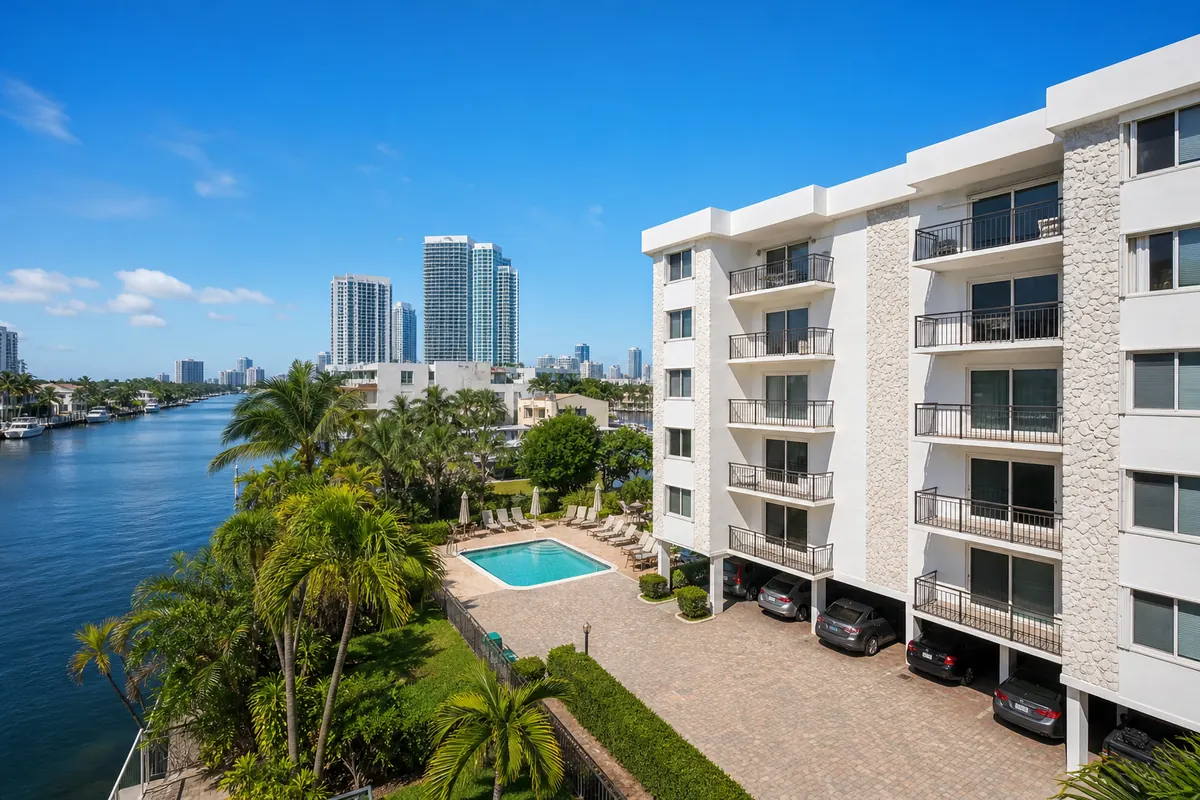
A good review starts with one question. Where does the association stop and where do you start. In Fort Lauderdale, that answer matters in high-rises near the beach, garden-style communities farther west, and buildings near the New River where wind, water, parking, and shared walls all create different risks. We help you sort through the declaration page, the association documents, and the unit details so you can ask for the right coverage. A licensed agent follows up to go over options and next steps.
Condo Insurance Across Broward County and Nearby
- Fort Lauderdale, FL
- Hollywood, FL
- Pompano Beach, FL
- Plantation, FL
- Davie, FL
- Sunrise, FL
- Lauderhill, FL
- Oakland Park, FL
- Wilton Manors, FL
- Lauderdale-by-the-Sea, FL
- Dania Beach, FL
- Tamarac, FL
- Coconut Creek, FL
- Deerfield Beach, FL
- Weston, FL
- Pembroke Pines, FL
- Cooper City, FL
- Lauderdale Lakes, FL
- Margate, FL
- Hallandale Beach, FL
- Lighthouse Point, FL
What Matters Most
Start with the gaps that can hurt the most after a loss. For most condo owners, that means the inside of the unit, your belongings, your share of certain building claims, and any time you cannot stay there. In Fort Lauderdale, hurricane deductibles and flood questions also move to the top fast.
Master policy vs walls-in
Your association master policy usually covers parts of the building, but it may stop short of what is inside your unit. Some associations insure more than others. Your HO-6 policy is often meant to pick up the unit owner side, sometimes called walls-in coverage. That can include items such as interior walls, paint, flooring, fixtures, and attached features, depending on how the association documents are written.
Interior improvements
Many Fort Lauderdale units have upgrades that cost more to replace than the original builder finish. Think updated kitchen cabinets, tile, counters, lighting, or built-in shelving. If you bought a remodeled unit or made changes after closing, those improvements should be reviewed closely. A condo policy may help with covered damage to those features, but the right amount depends on what is actually inside the unit today.
Personal property
Furniture, clothing, electronics, kitchen items, and other belongings are usually your responsibility, not the association's. That matters after smoke, theft, certain water losses, or a storm-related problem inside the unit. If you keep more at the condo because it is your full-time home, you may need a different approach than an owner who uses the unit seasonally. The same goes for a furnished unit that is rented out part of the year.
Loss assessment
Condo owners often overlook loss assessment coverage until the association passes along part of a shared claim. That may happen when a building loss affects common areas or when the association deductible is high and the association has the right to assess unit owners. In a place like Fort Lauderdale, where wind events can affect many units at once, this part of an HO-6 policy is worth careful attention.
Liability and guest injuries
If someone slips in your unit, if water from your bathroom damages a neighboring unit, or if you are blamed for property damage or injuries, condo liability coverage may help. Coverage terms vary, so it is important to review how the unit is used. A primary residence, a seasonal condo, and a unit that is sometimes rented can raise different questions. Shared hallways and elevators do not remove your own unit-level liability exposure.
Loss of use
When a covered loss makes your condo hard to live in, loss of use coverage may help with extra living costs while repairs are being made. In Fort Lauderdale, that can become important after a storm, a kitchen fire, or major interior water damage. If your unit is your main home, this part of the policy can be especially important. If it is a seasonal unit, the discussion may be different and should match how you actually use it.
Hurricane deductibles and flood
Many owners think an HO-6 policy handles every kind of storm water damage. It usually does not. Flood is generally a separate policy. That matters in South Florida, where heavy rain and summer flooding on low streets can affect parking areas, ground floors, and access routes. Hurricane deductibles also work differently than a standard deductible in many policies, so owners should review that amount before storm season, not after a claim.
Why Choose Us for Condo Insurance?
Built for Fort Lauderdale
We write for this area and this kind of housing. From beachside towers along A1A to inland communities reached by Sunrise Blvd or Broward Blvd, condo questions change by building style, storm exposure, and how the unit is used.
Clear Gap Reviews
Most condo confusion starts with the master policy. We focus on the line between association coverage and owner coverage so you can ask better questions about improvements, deductibles, liability, and flood before there is a loss.
Licensed Follow Up
You do not get a vague online summary and nothing else. We gather the details, then a licensed agent follows up to review your situation, explain options in plain language, and help you move toward a quote or policy review.
How to Review It
Gather Your Papers
Start with your current declarations page if you have one, plus the association master policy summary and condo documents. Those papers usually show where the association coverage ends and where unit-owner coverage should begin.
Map Your Unit
List the parts of the condo you would have to replace after a major interior loss. Include flooring, cabinets, counters, paint, fixtures, appliances you own, and any upgrades that were there when you bought the unit or added later.
Check How You Use It
Tell us whether the condo is your main home, a seasonal place, or a unit that is rented out at times. Usage affects which questions matter most for liability, vacancy, belongings, and loss of use.
Review Storm Exposure
In Fort Lauderdale, storm questions should come early. We look at hurricane deductibles, whether flood should be considered separately, and how the building location and layout may affect the discussion.
Compare the Gaps
After that, a licensed agent follows up to compare coverage options against the gaps you found. The goal is simple. Make sure the policy matches the unit, the association rules, and the way you actually live in the space.
Check Florida Rules
For official Florida requirements and consumer information, start with state sources. The Florida Department of Highway Safety and Motor Vehicles is the main source for vehicle registration and related insurance rules. For condo and property insurance questions, the Florida Department of Financial Services consumer helpline is also a useful place to verify terms, complaint information, and general guidance. We can help you understand what you are reading, but state agencies are the final word on official rules and consumer resources.

What Affects Cost
Condo insurance prices can vary a lot because the policy follows the unit, the building rules, and the way you use the property. A high-rise near the coast may be viewed differently than a garden-style unit farther west. The amount of interior finish you need to insure matters too. Updated kitchens, custom flooring, and built-ins often mean more coverage than a basic unit. Seasonal occupancy, short-term or occasional rental use, prior claims, and whether flood is added can also change the premium.
Your deductible and the coverage limits you choose are major pricing factors. So are liability limits, loss assessment limits, and the value of your personal property. The age and condition of the building systems may matter, along with unit floor level, security features, and whether the association carries a master policy with broader or narrower protection. A unit that sits empty for long stretches may be priced differently from an owner-occupied home. The cleanest way to compare options is to review the association documents and your current declarations page together.
Condo Insurance Questions We Hear
Does the condo association policy cover everything inside my Fort Lauderdale unit?
Usually no. The association policy often covers building property and common areas, but the line inside your unit depends on the master policy and the condo documents. Your HO-6 policy may need to cover interior surfaces, fixtures, improvements, personal belongings, liability, and other gaps. The right place to start is the association insurance summary.
Is flood included in condo insurance?
Usually not. Flood is generally separate from an HO-6 policy. In Fort Lauderdale, that matters because heavy rain and street flooding can affect ground access, parking areas, and lower levels. Owners often assume any storm water is covered the same way, but flood and other water losses are often handled differently. A review should include that question early.
What is loss assessment coverage for a condo owner?
Loss assessment coverage may help when the association charges unit owners for part of a covered loss or for certain deductibles, if the governing documents allow that assessment. This can come up after damage to common property or a large building claim. Because association deductibles can be significant, many owners in South Florida want to review this part closely.
Do I need different condo insurance if I only live there part of the year?
Possibly. Seasonal use can affect how the policy is written and what questions need to be answered about occupancy, belongings, and water damage prevention. If the unit sits empty for stretches, or if friends, family, or tenants ever use it, that should be discussed up front. The same is true if the condo is sometimes rented out.
Are high-rise and garden-style condo units insured the same way?
They are both commonly written with an HO-6 policy, but the details can differ. Building design, storm exposure, shared systems, security, floor level, and association documents may all affect the coverage discussion. A unit near the beach may raise different questions than one farther west near daily commuter routes such as I-595, the Sawgrass Expressway, or Florida's Turnpike.
Contact Us Today for a Free Estimate
Ready to review condo insurance for your Fort Lauderdale vehicle or property? Tell us what you have and we will follow up.
Free, no obligation